
Areas
RDF works across a range of sectors to help governments improve revenue collection, transparency, and governance.
Mining
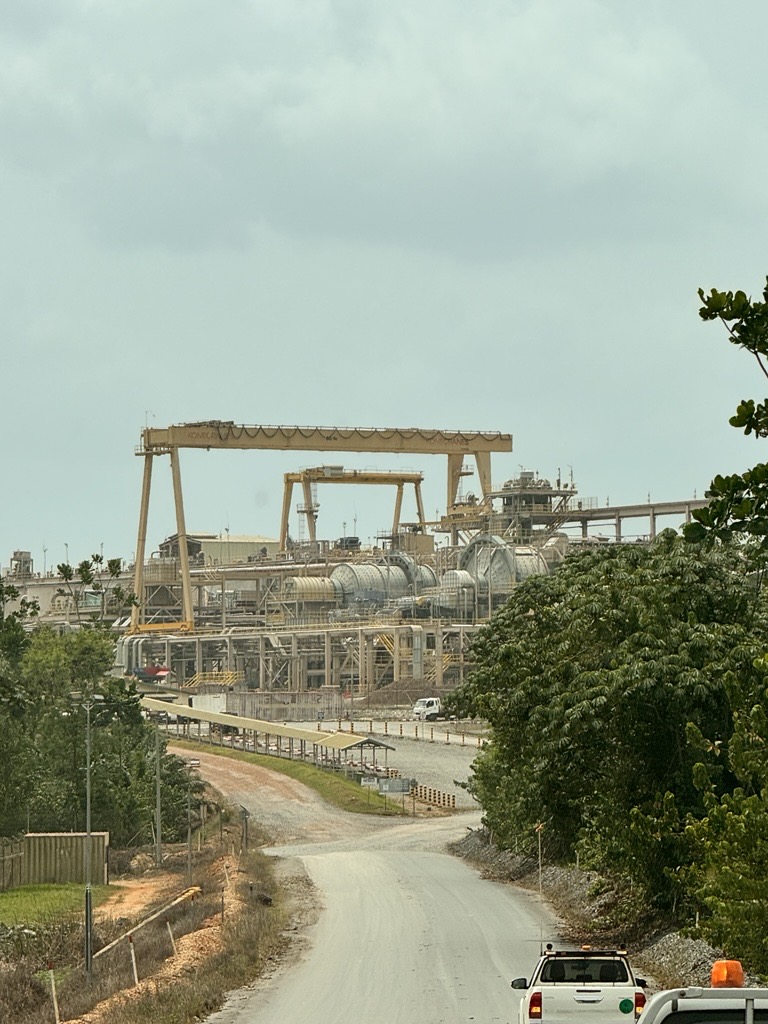
The RDF Mineral Rights program enables governments to administer mining licenses and manage the associated revenue streams and fees from natural resources in an accountable and transparent manner. By enabling governments to enforce the rules and regulations governing resources, the RDF Mineral Rights program helps generate an environment of investment incentives.
RDF makes this happen by using its extensive consultancy experience in the sector in tandem with the Mining Cadastre Administration System (MCAS), a web-based software application to manage all aspects of a country's mineral rights.
Our program also links up with several international initiatives focused on raising international standards of transparency in natural resource management. Currently RDF supports the Extractive Industries Transparency Initiative (EITI).
Oil & Gas
RDF has supported petroleum authorities with license management systems since 2015, and have now gained a deep understanding of the challenges facing petroleum authorities in terms of block tendering, revenue management, transparency and production reporting, as well as reporting and management of geological data.
Forestry
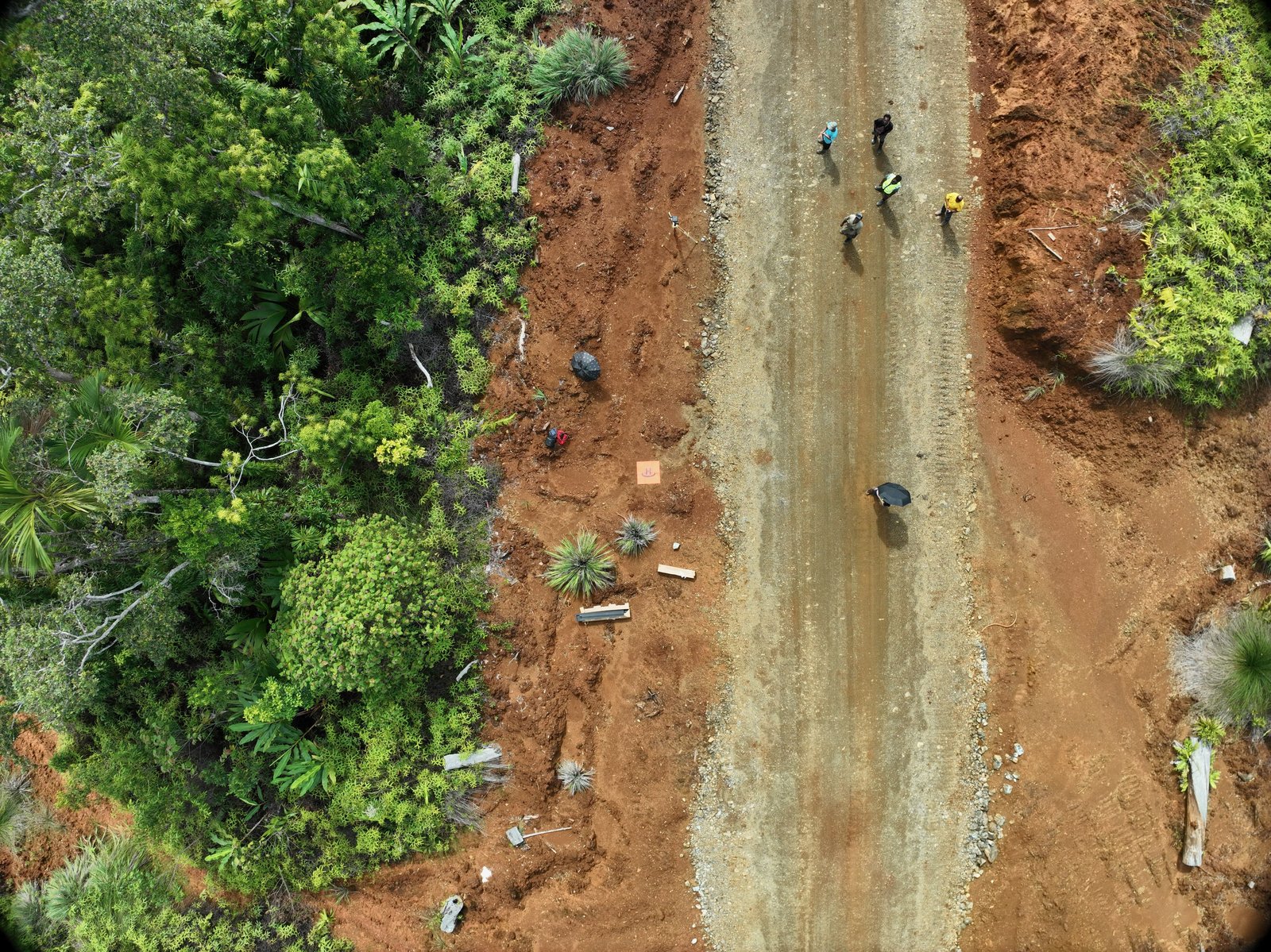
The RDF Forestry Rights program enables governments to administer resource concessions and manage the associated revenue streams and fees in an accountable and transparent manner. Alongside RDF's extensive consultancy experience in this sector, the Forestry Concessions Administration System (FCAS) helps governments to collect, collate and integrate vast and diverse data to provide a comprehensive picture of resource use to support the sustainable management of these valuable national assets. Furthermore, by enabling governments to enforce the rules and regulations governing resources, the RDF Forestry Rights program helps generate a positive investment environment.
Our program also links up with several international initiatives focused on raising international standards of transparency in natural resource management. Currently RDF supports the Extractive Industries Transparency Initiative (EITI) and is developing similar links with the European Commission's Forest Law Enforcement, Governance and Trade (FLEGT) Programme.

EITI Mainstreaming
It is a strategic objective of EITI to mainstream its validation methodology into government systems. The initial setup of the EITI validation process ten years ago was based on not having any trust in government institutions and in particular the country's auditor general reports to parliament. Thus the EITI validation process was a parallel process to the intended institutional accountability setup of democratic states. Most developing countries have over the last five years made significant progress in terms of systems, oversight processes and transparency. Increasingly the principles of EITI are embedded into government functions, who automatically disclose data directly from their own systems, like for example the xCAS systems publishing data to the public through the Online Repository portals.
In order to fully mainstream EITI, all government institutions that are managing extractives revenue must have digitalised their processes, and the systems must be integrated. RDF Fusion allows government systems to share data automatically by API and intermediary databases. Govin allows companies to submit their declarations online. The risk indicators in Fusion may also be used to automate the validation process, that will no longer be required if setup correctly.
Exports, Customs and Trade
RDF supports trade verification and supply chains by supporting governments to manage licenses to produce, valuation and certification of exports and issue license and shipment certificates with QR codes that can be verified by using mobile phones.
The xCAS valuations module facilitates valuation of diamonds in particular, including issuing the Kimberley certificate, but can also be used for other assets such as timber. With QR barcodes on export permits and the shipment certificate, customs officers can also look up and verify the shipment documents just using their mobile phones. The valuations module also allows government to issue "origin tokens" to the international buyer, after having gone through a process to certify the exact licenses as producing source.
Tax Administration
RDF's approach is intentionally designed to address the limitations and challenges with previous tax administration systems. These limitations primarily stem from the way the applications are built and the limitations in which they can be expanded to meet future needs. Related to these limitations is the inability to meet expectations to build national capacity to develop and integrate solutions. Currently used systems are mostly built on old technology frameworks and follow an idea that the system should be comprehensive and cover all needs of the government tax administration. This is what was considered an "integrated system" in the 1990s and early 2000s. This is vastly different from today's best practice which builds on the emerging modular and agile approaches coming with the new web-based frameworks developed during the last decade.
Today's expectation is that a tax administration system has integration options using data services and APIs that are agnostic to how a specific module is designed. This means any developer team can develop another module, even in another programming language and connect to the other data services. With RDF's Single-Sign On capabilities users will not notice they are using a range of different applications and data services, often also called micro-services as they perform specific repeatedly used functions called on by bigger applications. These methods also open up for a much more effective agile approach, which focuses on reiterations and gradual improvements based on usage experience. This makes it possible to provide a platform where we can build national capacity to develop future modules and integrations.

Local Government
Property Tax
Property taxation is widely regarded as the most viable source of sustainable financing for local government and will likely spark accountability due to the potential for closely linking revenue collection and service provision.
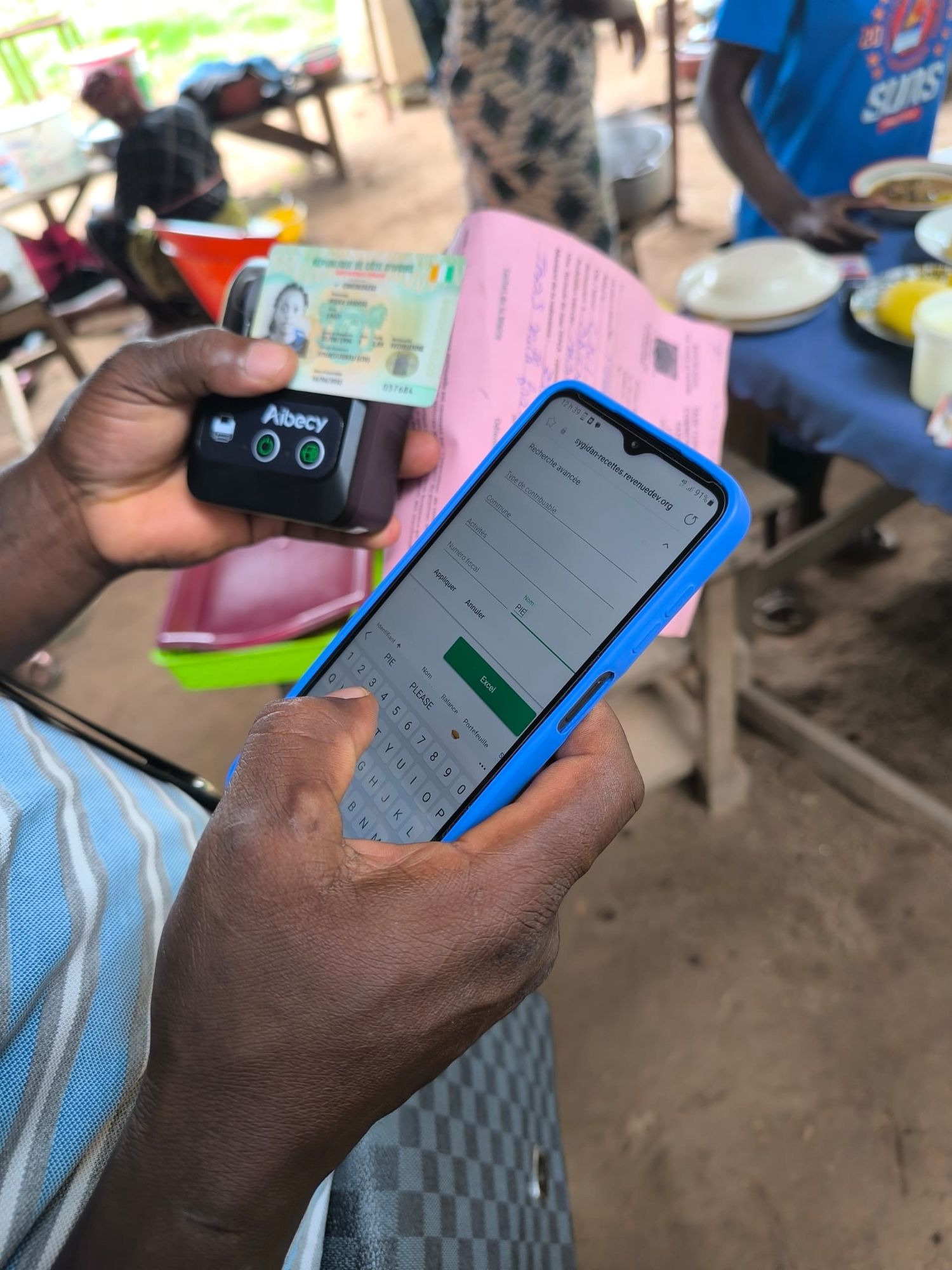
Local governments in low-income countries often struggle to raise capital to provide public goods and services. RDF has developed a Revenue Mobilization Programme (REMOP) which assists local councils to efficiently administer and manage property tax and business licenses.
This program instructs and demonstrates the 6 steps illustrated below on a learn-by-doing basis. The dedicated RDF software supports the entire process, registration of properties, automated mass valuation, billing, payments, appeal, publicity and compliance strategies. The software automatically calculates the valuation and tax due, produces notices and correspondence to simplify the process for valuation staff, ensuring accurate calculations and a transparent process. Following the collection of taxes, all revenues are recorded in the system, allowing for accountable monitoring of progress. The system is lightweight and durable, functioning offline and suitable in remote locations with no internet connectivity.
Environment
RDF's systems aim to facilitate the effective, accountable and transparent management of natural resource and environmental related revenues. By introducing an IT administration system which builds on the existing laws and regulations, the EAD will be able to make the licensing and monitoring processes systematic and efficient, while automatically ensuring compliance standards are met. These systematic processes improve the government's ability to absorb revenues, increases its auditing capabilities and boosts investor confidence in the state's authority. The online publication of the data on the web-based Online Repository completes the cycle of accountability and transparency by publishing all revenues online and making the data available to stakeholders and/or the public. The information is showcased in a comprehensible and user-friendly manner, allowing monitoring and reporting.
RDF offers a project focussed on sustainability, based on long-term engagement in the Department producing impact following key objectives and associated activities and deliverables. The precise details and particular activities under each objective, described in detail below, are subject to modification according to government requirements and as the project is implemented.